27/09/2026
The New Era of Business Experimentation – From Idea to Market in Weeks, Not Months
The cost and speed of experimentation have changed. The management question is no longer "should we build this?" but "what is the smallest sensible way to test whether this works?"
 AI-generated image
Not long ago, properly testing a new business idea required a significant budget, software developers, designers, marketing and months of work. Today an idea can often be made visible, interactive, testable and sometimes even purchasable within days or weeks.
What changed?
AI-assisted development, no-code and low-code tools, rapid web development, marketing automation, modern analytics and 2D/3D visualisation have dramatically lowered the threshold. What used to need a project can now often be done by a small team in a short cycle.
That does not mean everything should be built. Quite the opposite: when building is cheaper, it matters more than ever to build the right things – and only as much as learning requires.
The management question changes
We used to ask: "Should we build this?" A better question now is: "What is the smallest sensible way to test whether this works?"
The difference is practical. The first question leads to plans, estimates and long decision chains. The second leads to an experiment whose result tells you whether to continue.
Experimentation is not only digital
The same thinking works for physical products, digital services and professional services. Only the path looks different.
Physical product
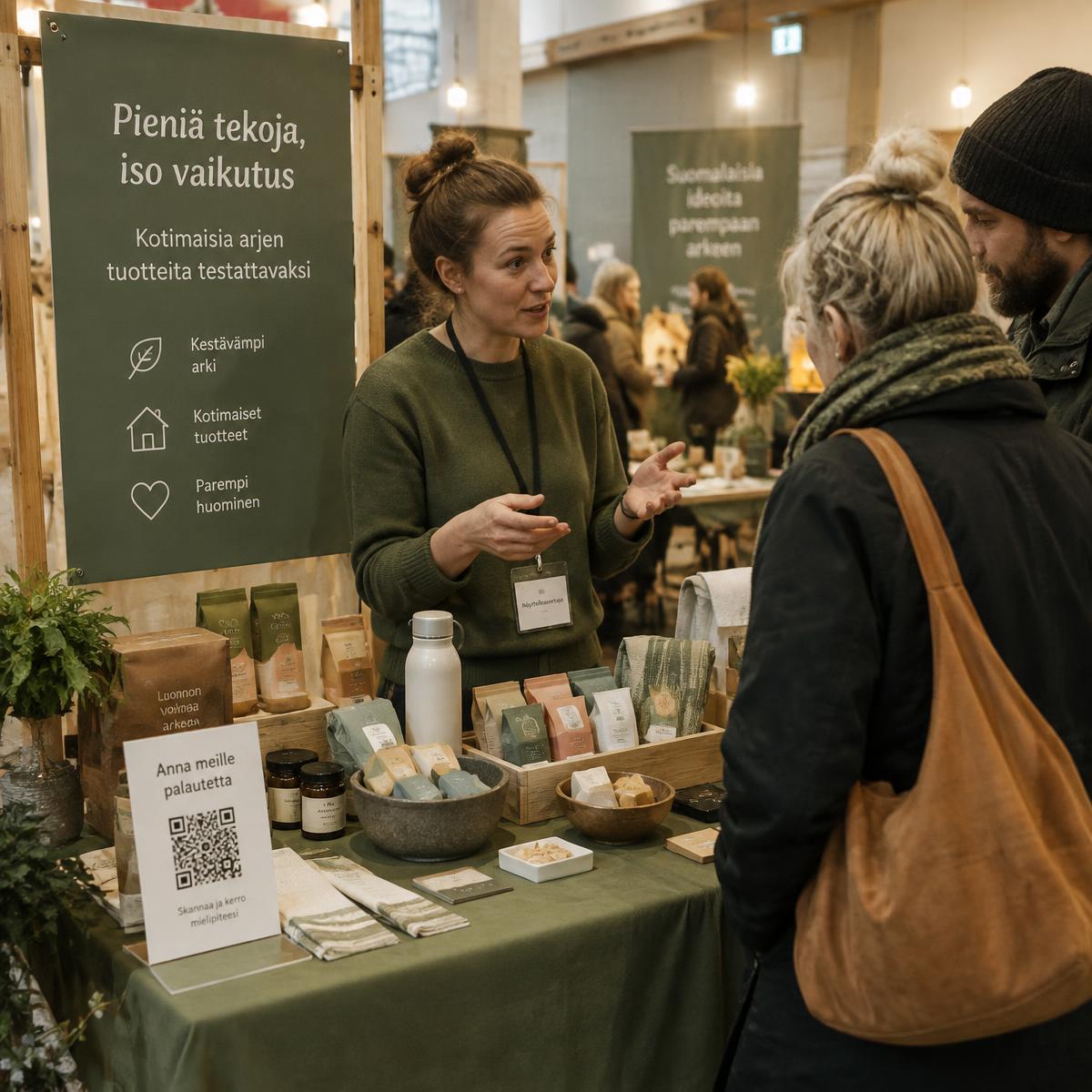
Idea → 3D visualisation → customer reaction → prototype → pricing test → physical market test → production decision.
Digital service
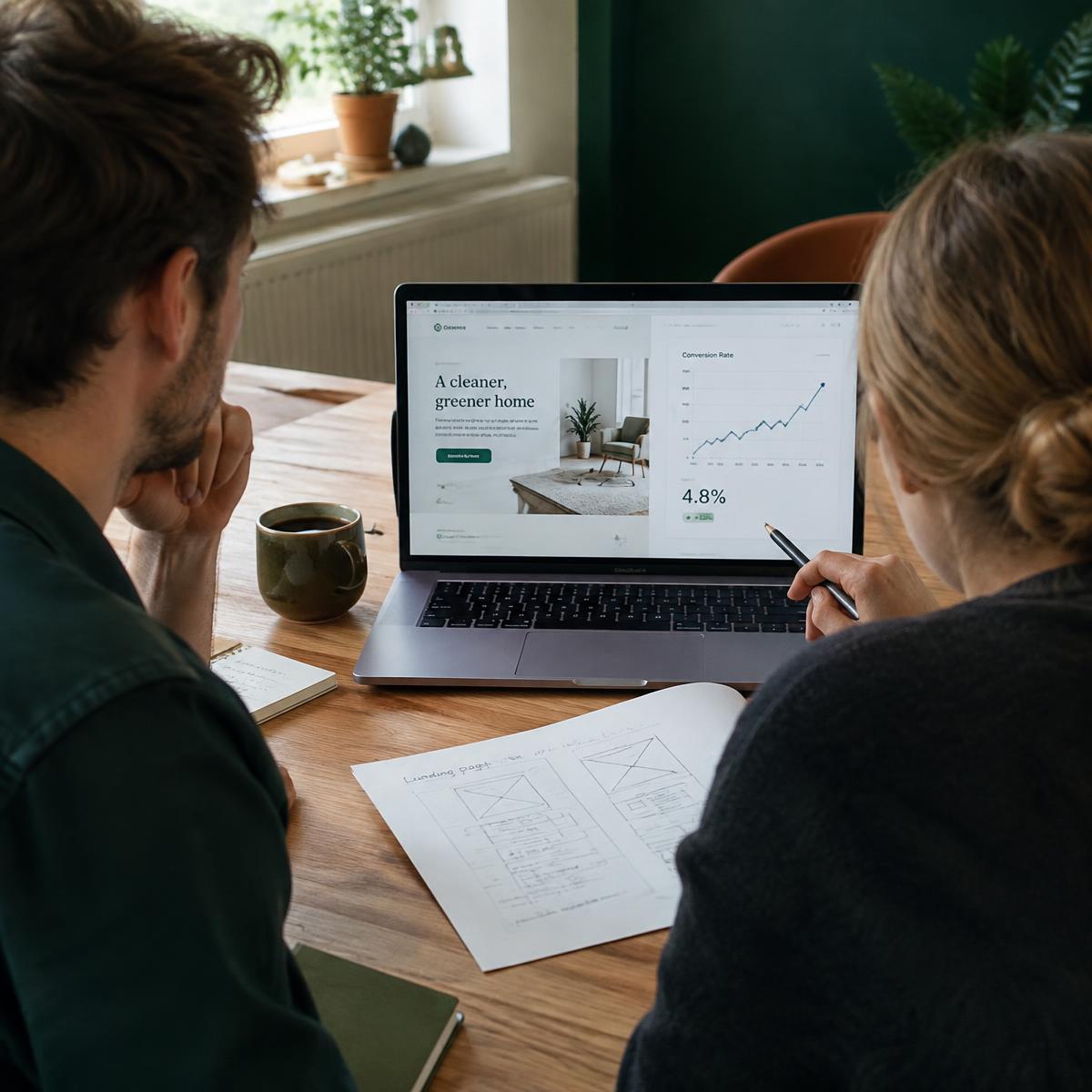
Idea → landing page → lightweight MVP → campaign → usage data → iteration.
Service
Service hypothesis → simple concept → selected customer group → real delivery → feedback → refined service.
Build just enough to learn
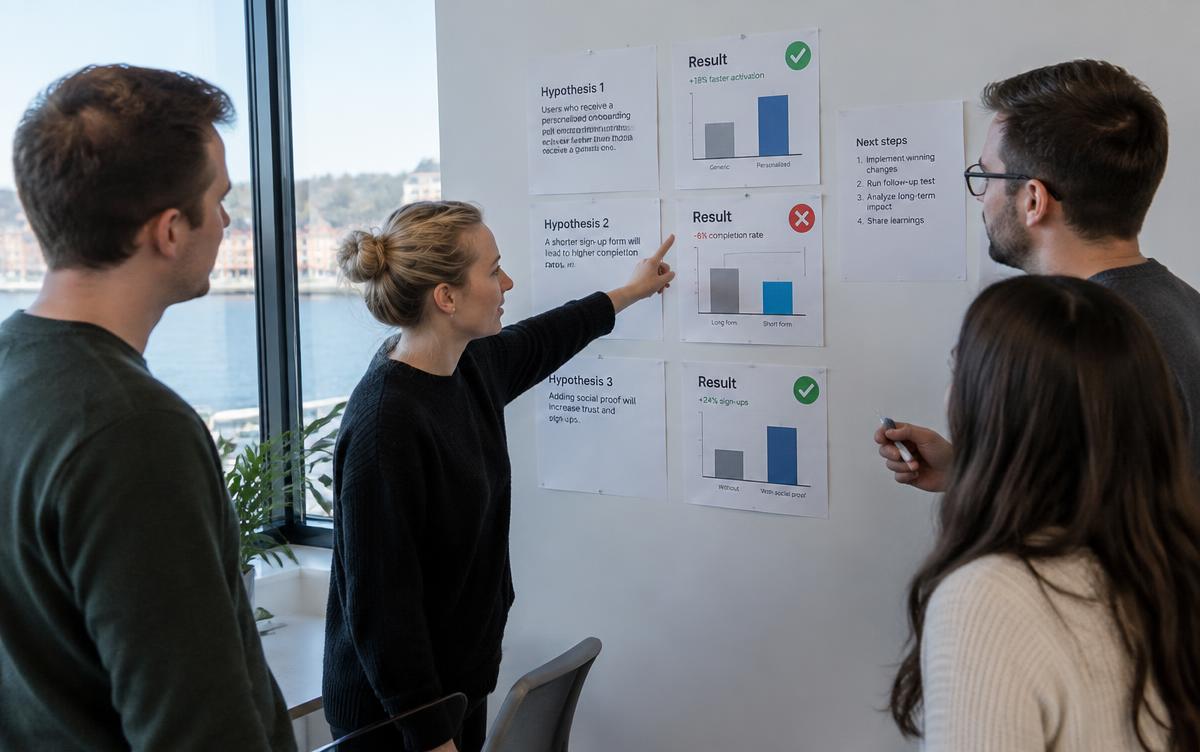
A good experiment is as small as possible but as real as necessary. A click is not a purchase decision and praise is not commitment. Design the experiment so that it produces behaviour: enquiries, bookings, pre-orders or usage.
Learning starts when the idea meets reality.
Why we believe in practical experimentation
Aulis founder Petri has worked in business and technology development in large organisations – and has also done the hands-on work himself. As an entrepreneur he has built and tested products, digital services, websites, ecommerce, marketing, prototypes and physical market experiments.
Both worlds taught the same lesson: plans look good until a customer meets them. That is why Aulis focuses on getting an idea in front of real people as early as possible – and turning the result into a clear decision: iterate, scale or stop.
Have an idea worth testing?
Tell us about it. Let's find the smallest sensible experiment that can produce real market evidence.